Student mental health apps have become standard. The evidence for most of them is thin.
Universities have deployed wellbeing platforms to fill gaps in counselling provision. A closer look at what they promise and what they deliver finds a significant mismatch.
By Wistl Editorial · · Higher Ed
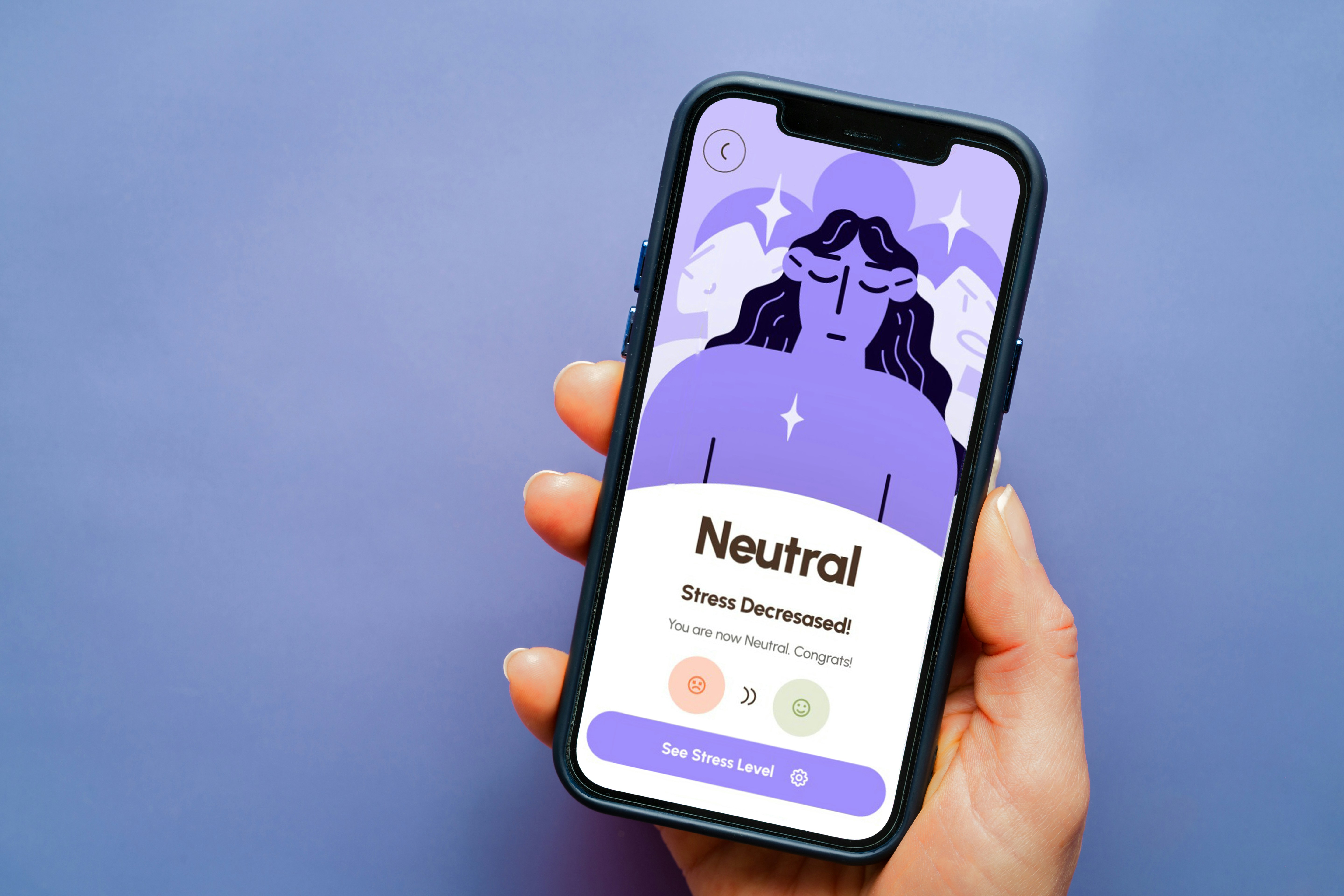
Student mental health has been a declared priority for UK universities for several years. Waiting times for counselling services at many institutions stretch to weeks or months. In this context, digital wellbeing tools, including mental health apps, online self-help platforms and AI-powered chatbots that offer round-the-clock emotional support, have been adopted widely as ways of extending provision beyond what face-to-face services can provide. The Office for Students has published condition B3, requiring universities to take all reasonable steps to promote the wellbeing of students, a condit